
Our Story
AG1925
Academia Gracie de Jiu-Jitsu — 1925.
Four centuries, three continents, one family. How a battlefield art became the most effective system of self-defense in the world.
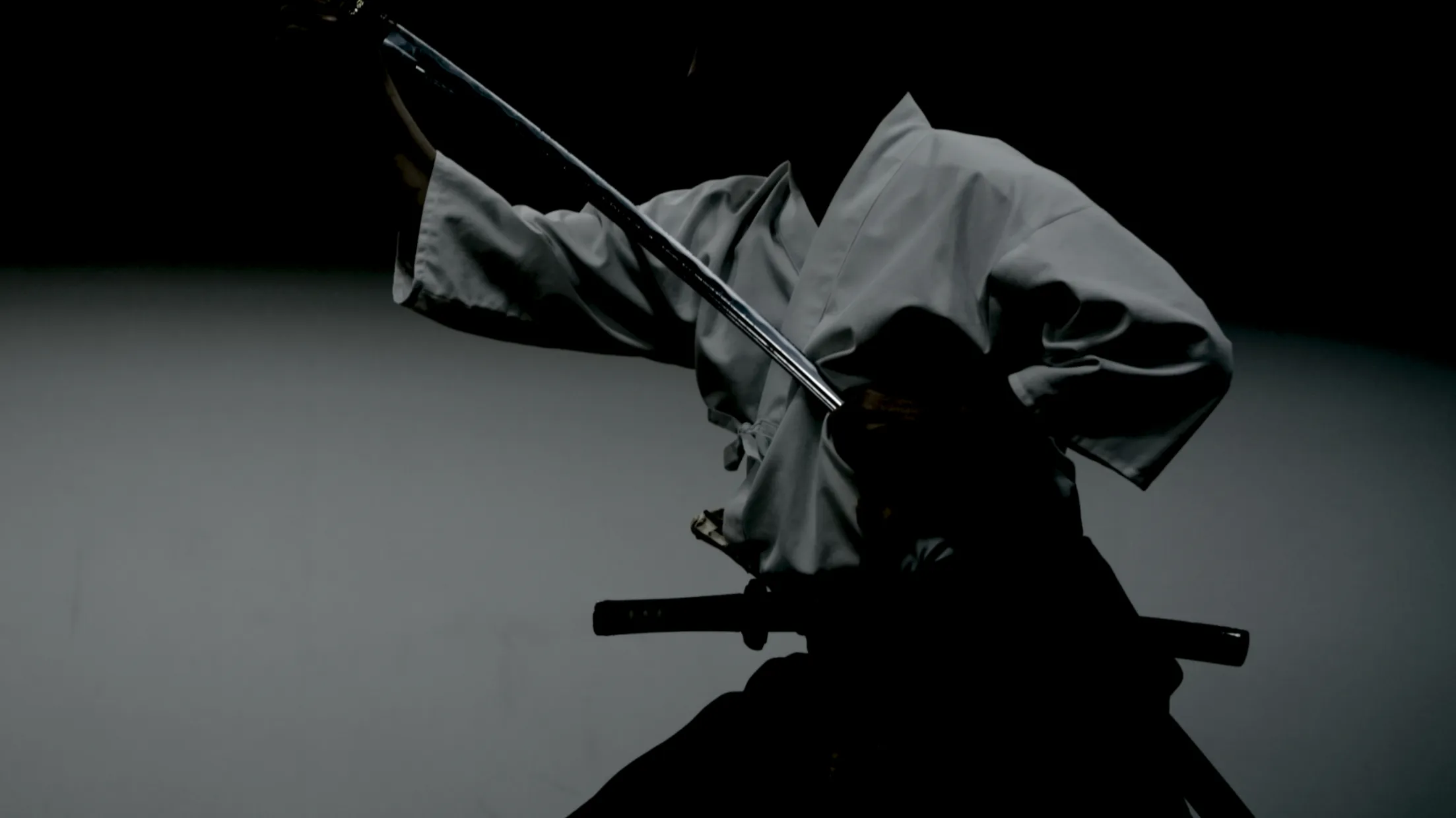
- c. 1600sJapan
Samurai battlefield arts, later refined by Jigoro Kano into Judo.
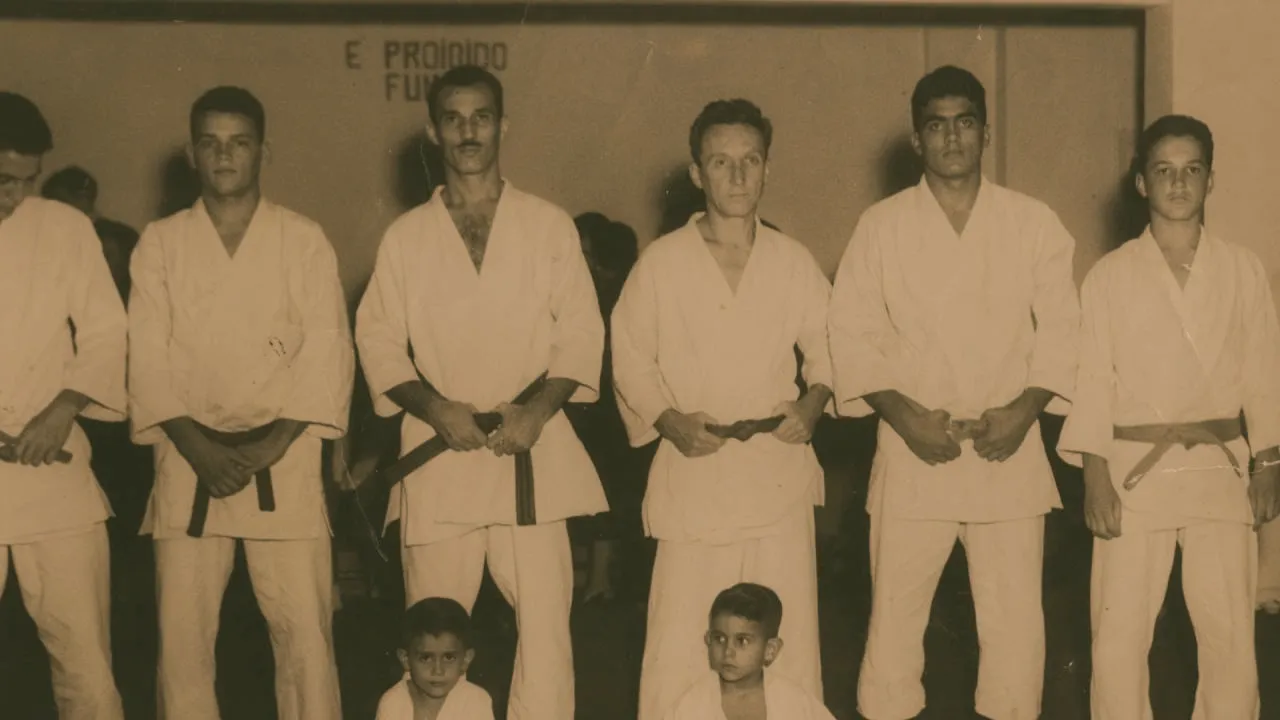
- 1925Rio de Janeiro
Academia Gracie de Jiu-Jitsu, where Gracie Jiu-Jitsu took shape.
- TodayFranklin, TN
Ralek Gracie carries the family lineage forward at AG1925.
So, picture this—way back in the day, the Japanese took a look at the buffet of combat techniques coming in from China (a little wrestling here, some striking there) and thought, “Hmm, we can work with this.” Then, of course, you had the samurai, who weren’t just about flashy sword fights. They had to figure out how to handle things when they weren’t swinging a blade—like when they got tackled off a horse or found themselves in a close-quarters scuffle. So, naturally, they developed some seriously crafty ways to fight from their backs.
Fast forward a bit, and suddenly, the higher-ups started getting nervous about people walking around with too much submission power—because, you know, public safety and all that. Enter Jigoro Kano, who saw which way the wind was blowing and said, “Alright, fine—let’s clean this up a bit.” He took the raw essence of these battlefield-tested moves, put a little polish on them, and boom—Judo was born. The idea? Less “fight to the death,” more “look at this beautiful throw and how it builds character.” Instead of gearing up for war, Kano wanted martial arts to be something that actually helped people in everyday life.
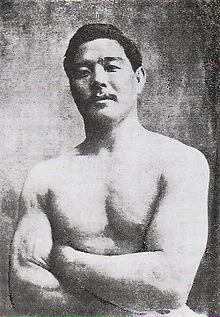
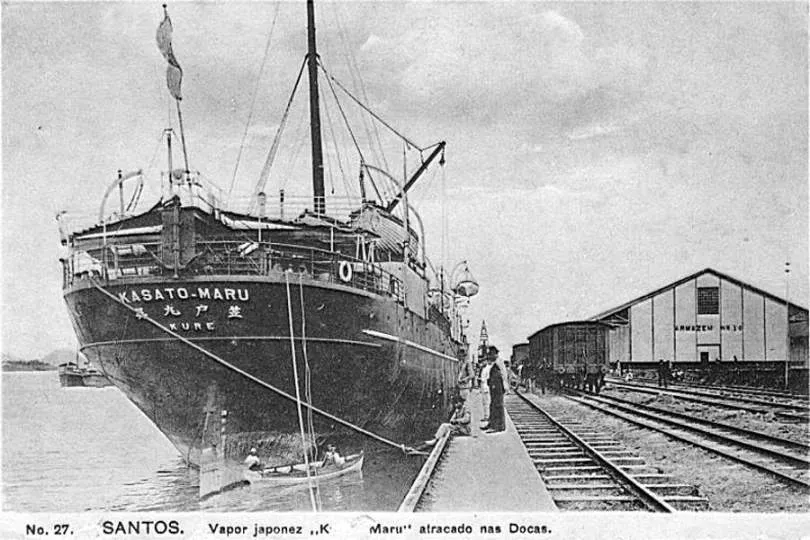
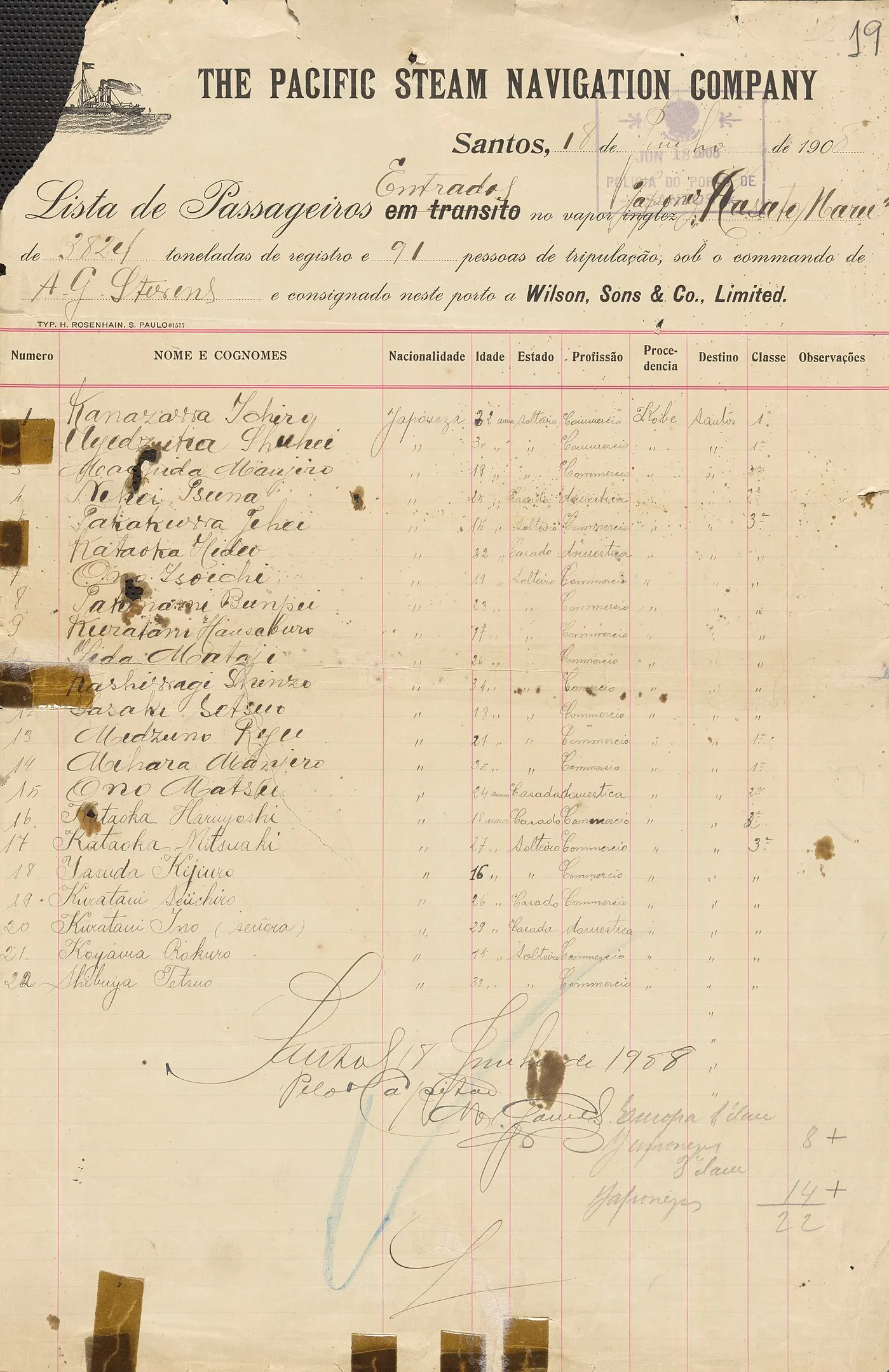
Judo and Jiu-Jitsu arrived in Brazil in the early 1900s, brought over by Japanese immigrants—most notably the legendary Mitsuyo Maeda. He wasn’t just any martial artist; he had trained under Jigoro Kano in both traditional and evolving styles of Jiu-Jitsu, as well as what would eventually become Judo. There is some debate about what exactly Maeda taught at his dojo in Brazil, where Carlos Gracie began training, and whether Carlos studied directly under Maeda or only with his staff instructors.
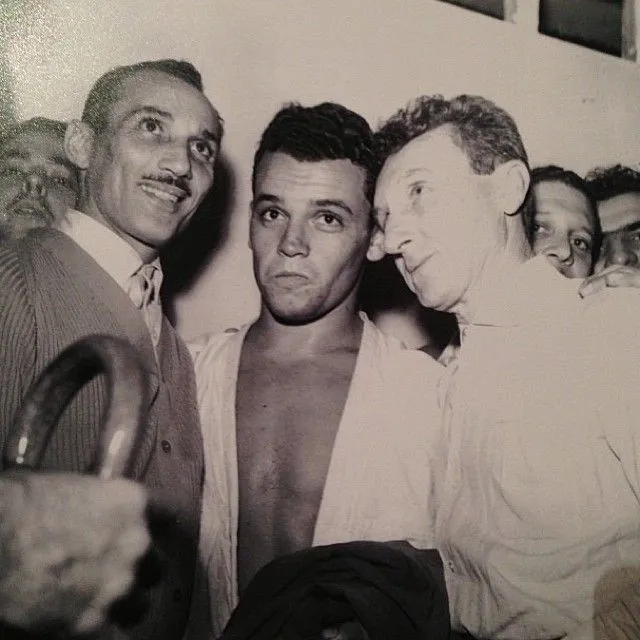
What we do know is that Carlos developed a passion for Jiu-Jitsu, eventually participating in demonstrations and challenge matches while teaching his brothers the art. His youngest brother, Helio, had a unique approach—observing classes for years before actively participating. His journey as a teacher began unexpectedly when he stepped in for Carlos, who was late to a private lesson. The student enjoyed Helio’s instruction so much that he requested to continue training with him.
Helio had a natural talent and an innovative approach, focusing on refining the mechanics of each movement to make them more efficient for himself and his students. His dedication and breakthroughs in technique set him apart, laying the foundation for what we now recognize as Gracie/Brazilian Jiu-Jitsu.
By the 1960s, Rorion Gracie, the son of Helio Gracie, moved to the United States and played a pivotal role in introducing Brazilian Jiu-Jitsu (BJJ) to a broader audience. He was instrumental in establishing the Gracie family’s influence on global martial arts culture, particularly through his vision for the Ultimate Fighting Championship (UFC). Rorion saw the UFC as a platform to showcase BJJ’s effectiveness in real combat situations—and it succeeded.
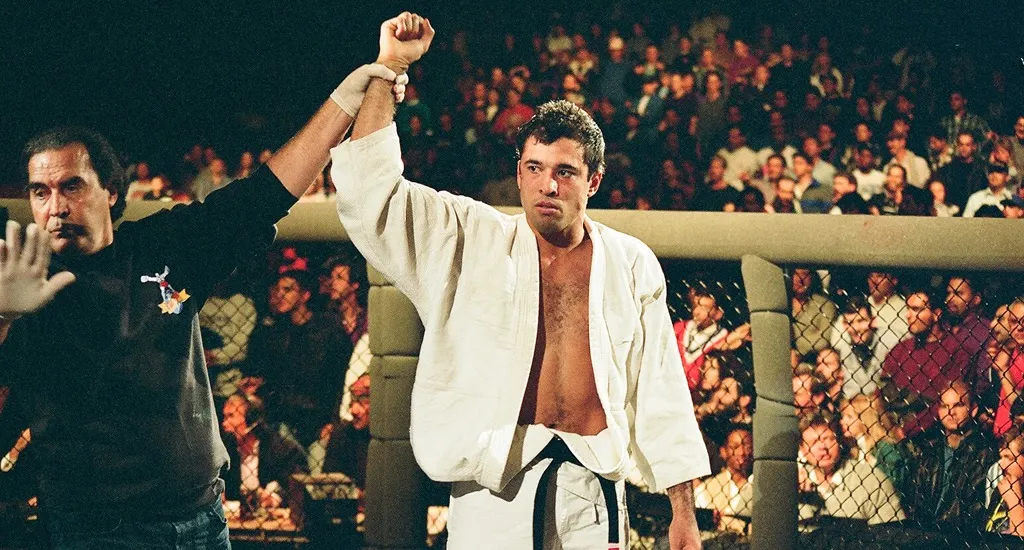
While Rorion’s efforts were crucial in bringing BJJ to the U.S., it was his brothers, Royce and Rickson, along with other key family members and representatives, who demonstrated the art’s effectiveness on the world stage. Royce Gracie gained global recognition for his victories in the early UFC tournaments, proving that BJJ’s emphasis on technique and strategy could overcome size and strength. His success established him as a key ambassador for the art.
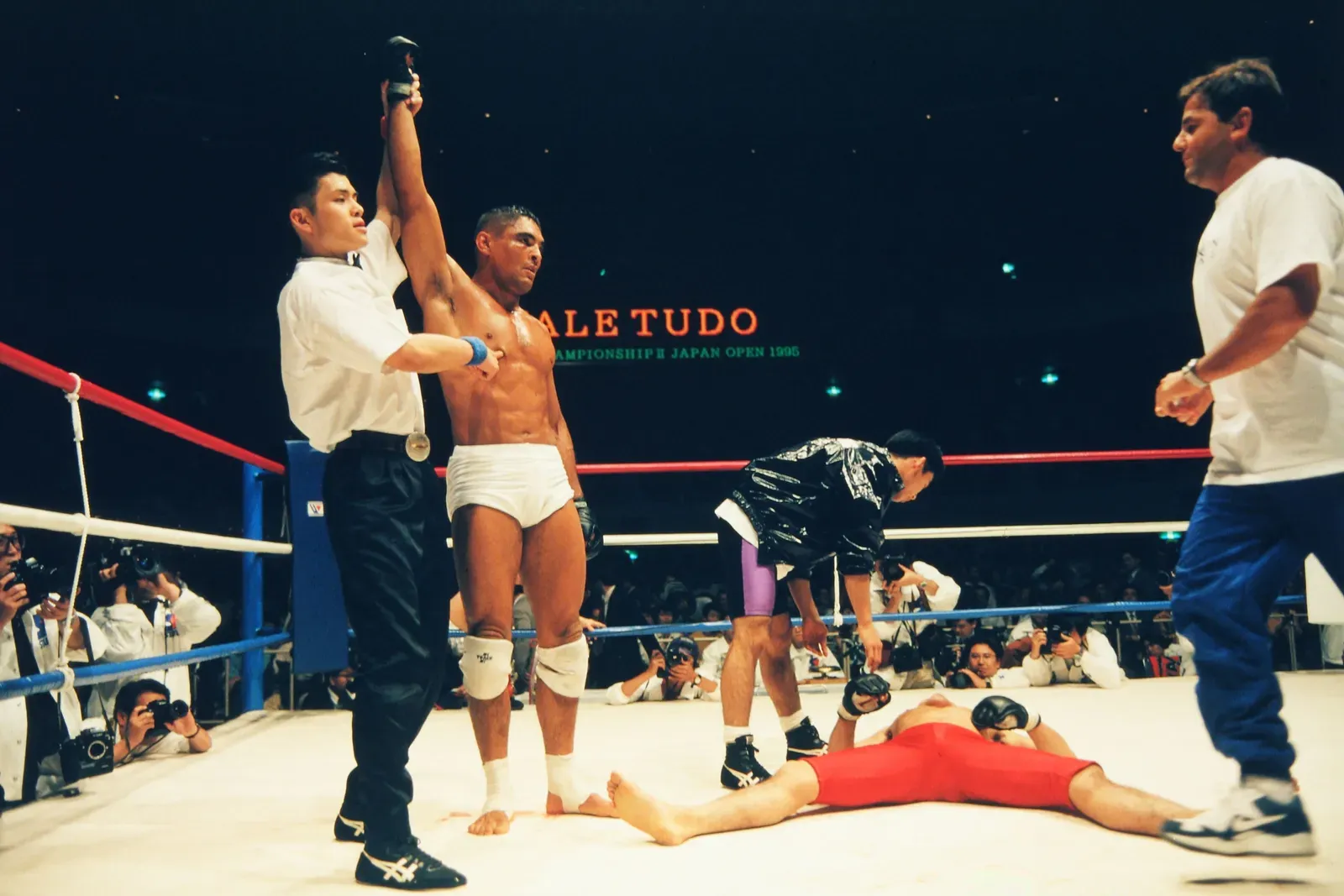
Rickson Gracie, regarded as one of the greatest Jiu-Jitsu practitioners of all time, further solidified the family’s legacy through his dominance in Vale Tudo competitions. Many other family members followed suit, contributing to an unprecedented wave of success in international competition. As the Gracie family gained worldwide recognition, numerous BJJ instructors migrated to the U.S. and beyond, spreading their knowledge. This expansion led to the establishment of academies, the advancement of training standards, and the growth of a global network that has profoundly influenced MMA, self-defense, and martial arts education.
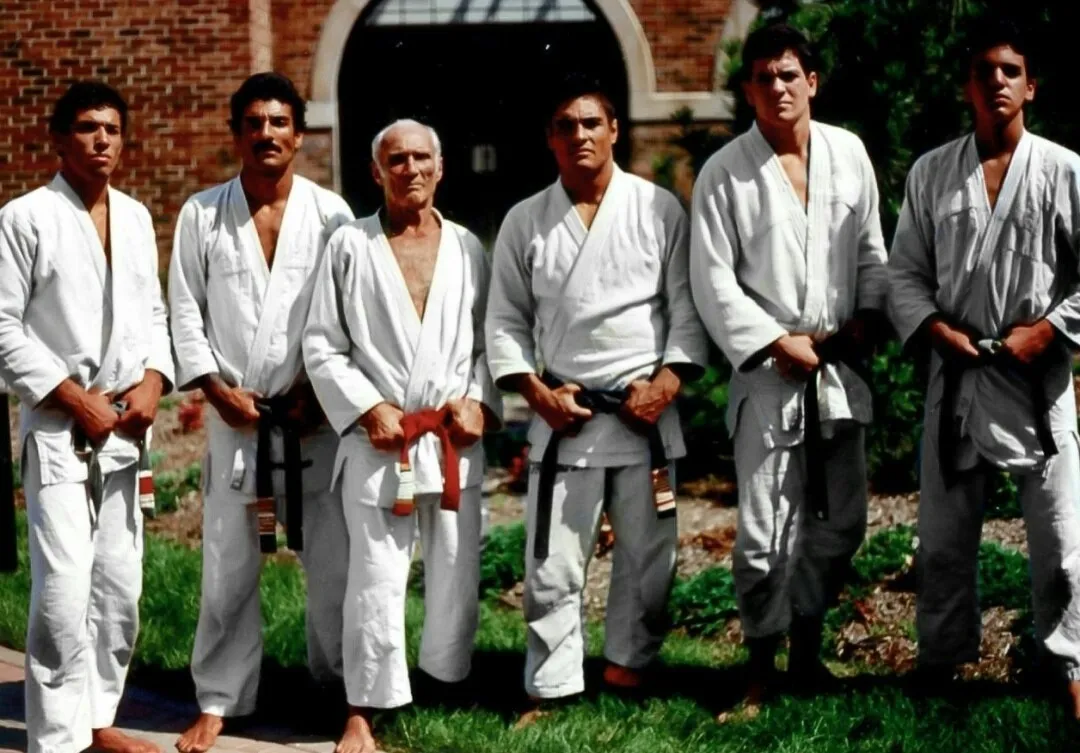
Our Founders
Five men who shaped an art.
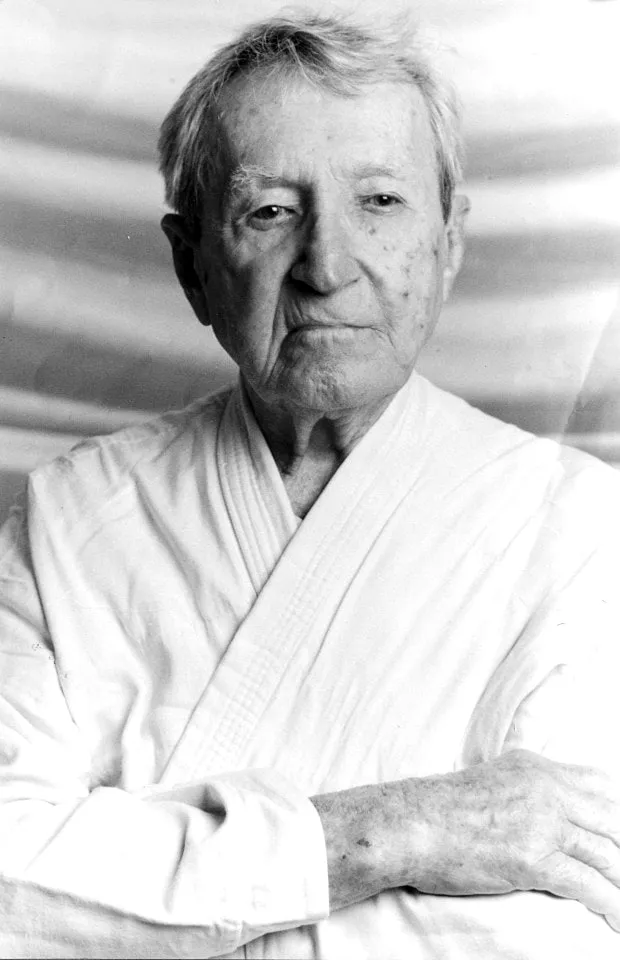
Carlos Gracie
The Visionary
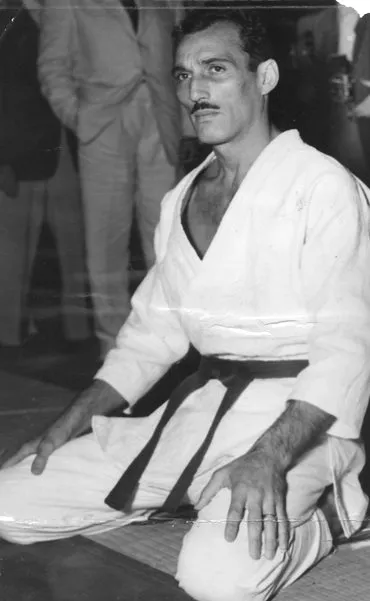
Helio Gracie
The Innovator
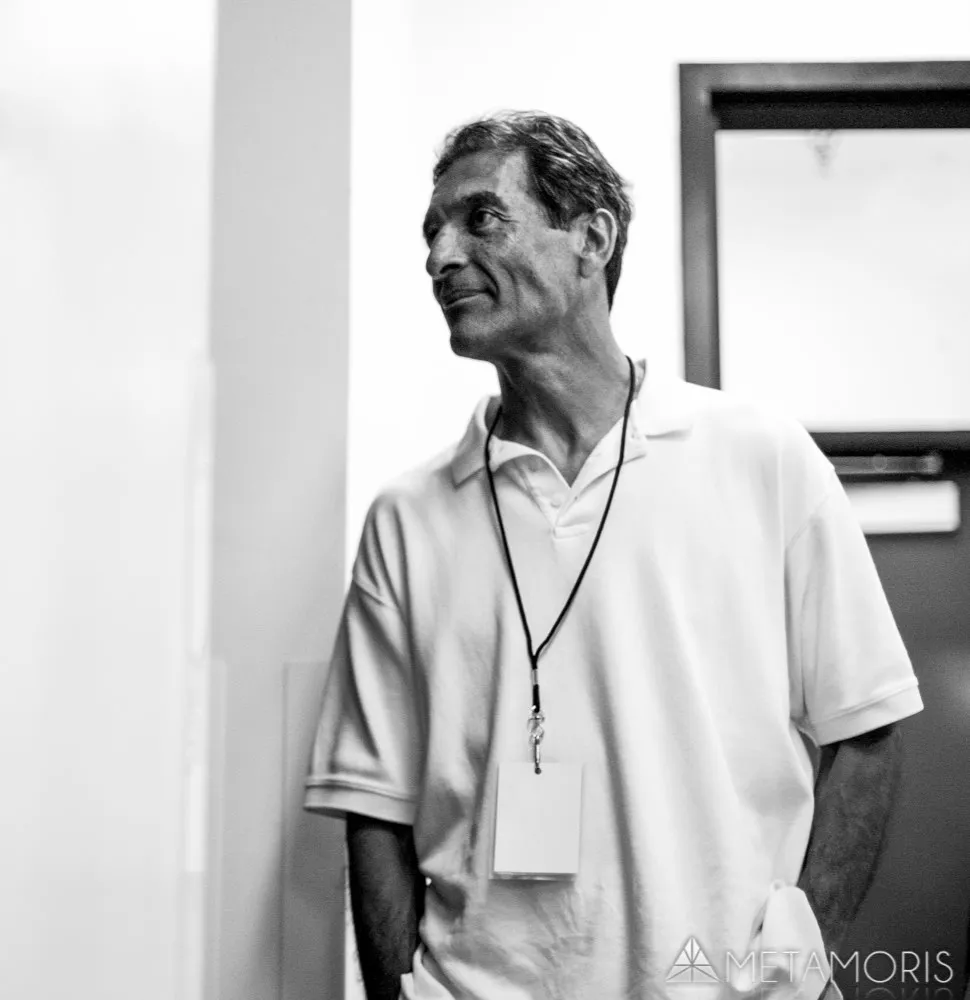
Rorion Gracie
The Pioneer
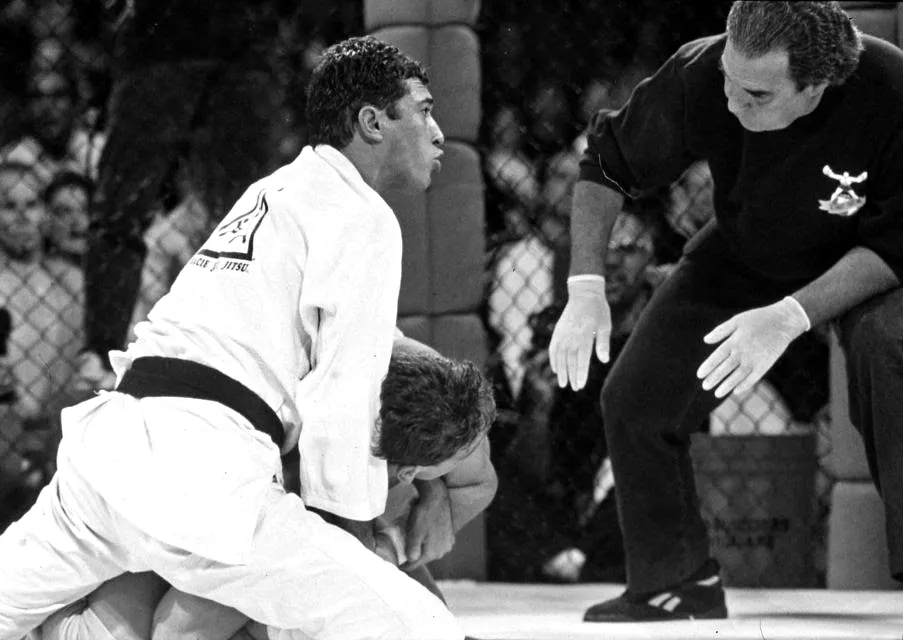
Royce Gracie
The First World Champion
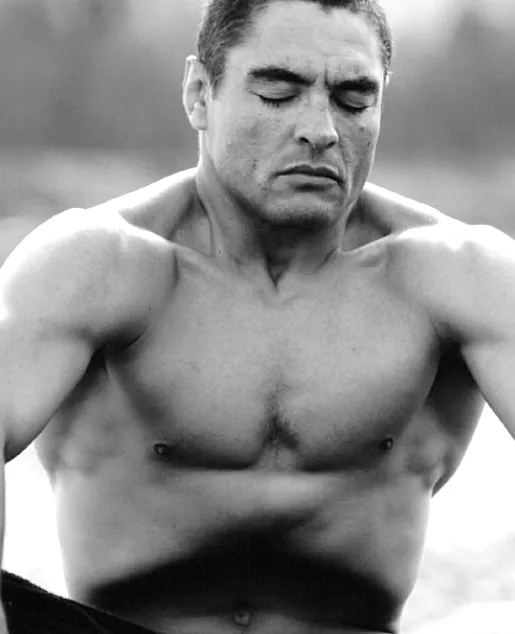
Rickson Gracie
The G.O.A.T.
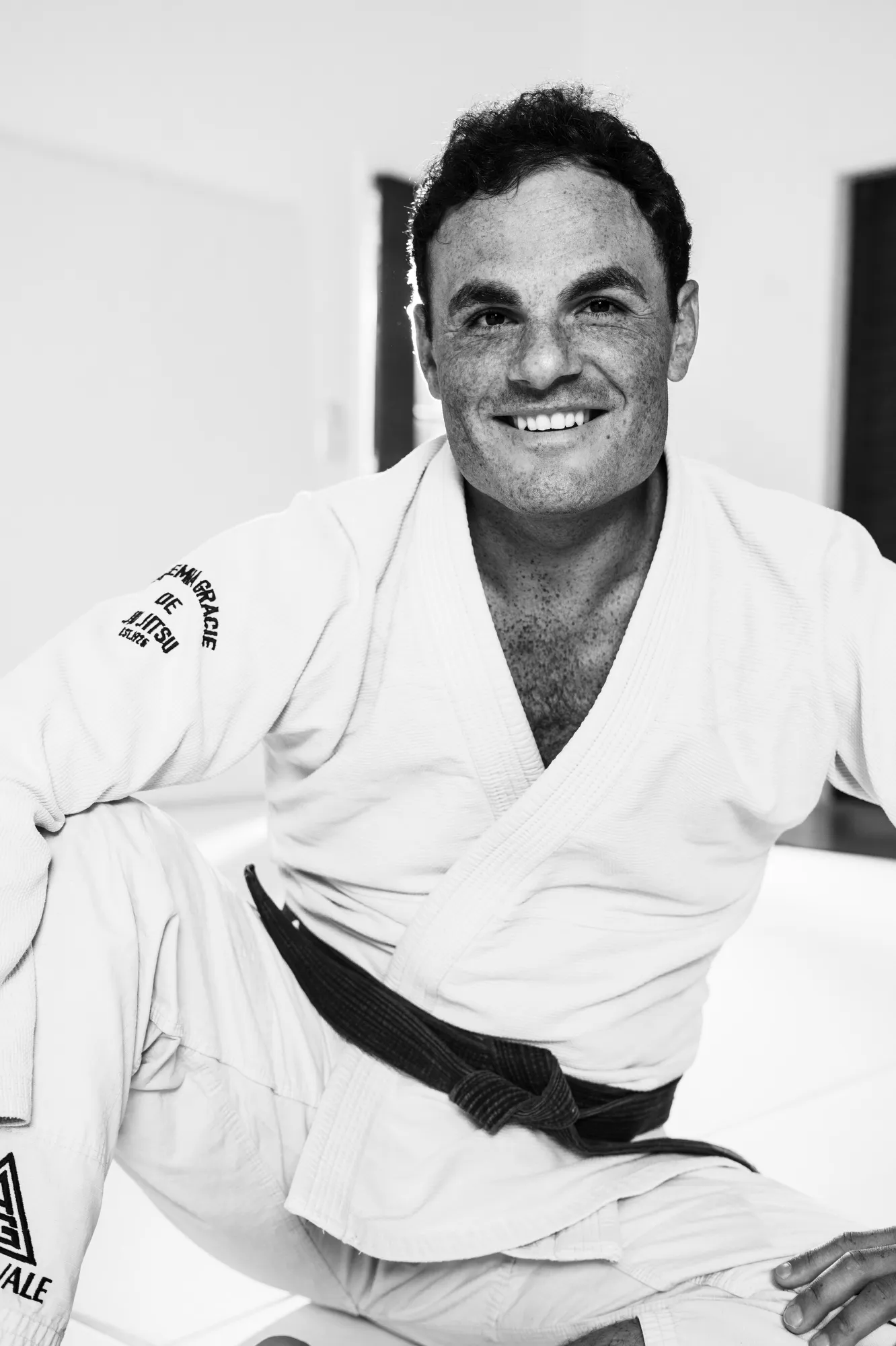
A Living Legacy
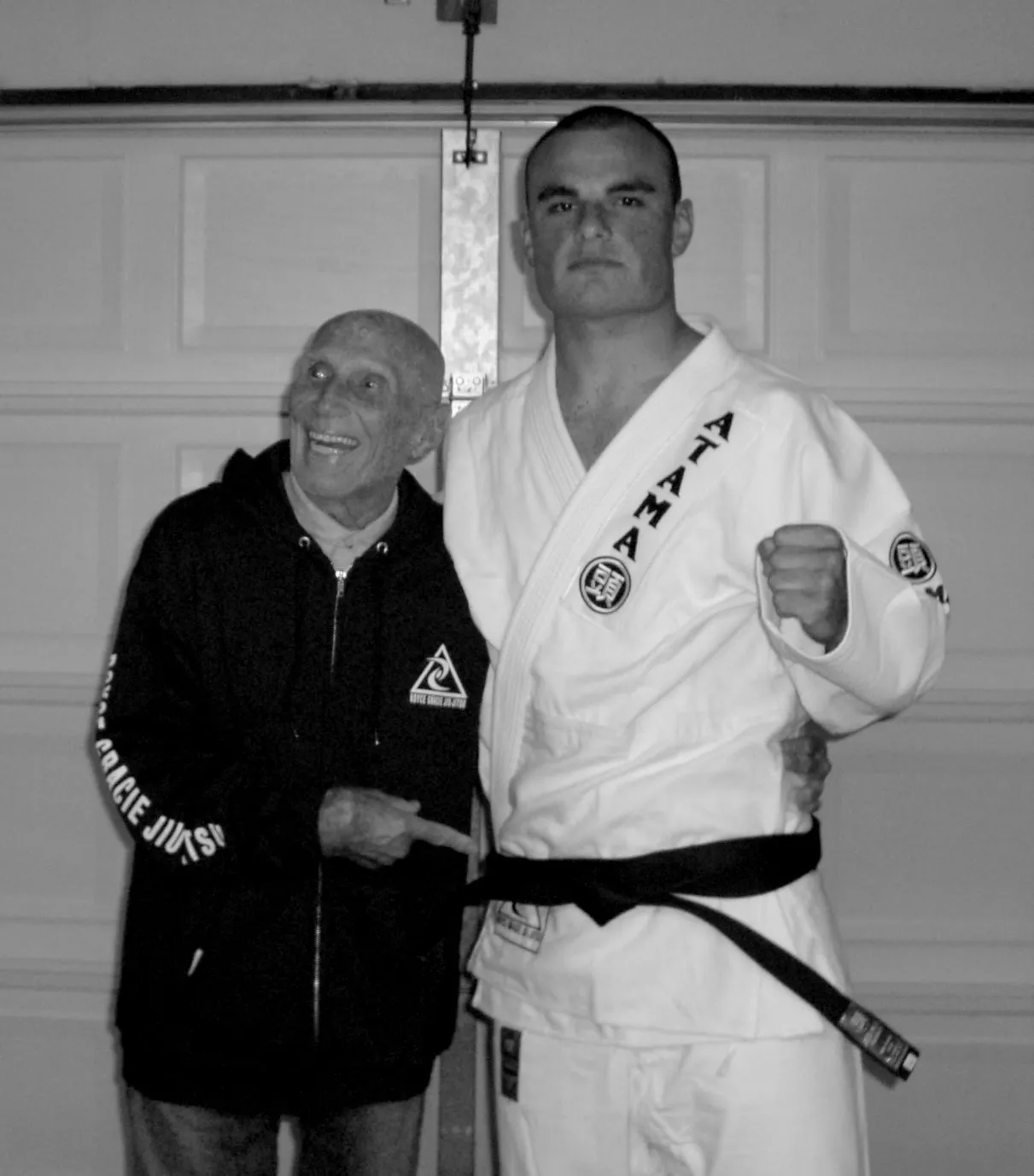
The last black belt awarded by Helio Gracie.
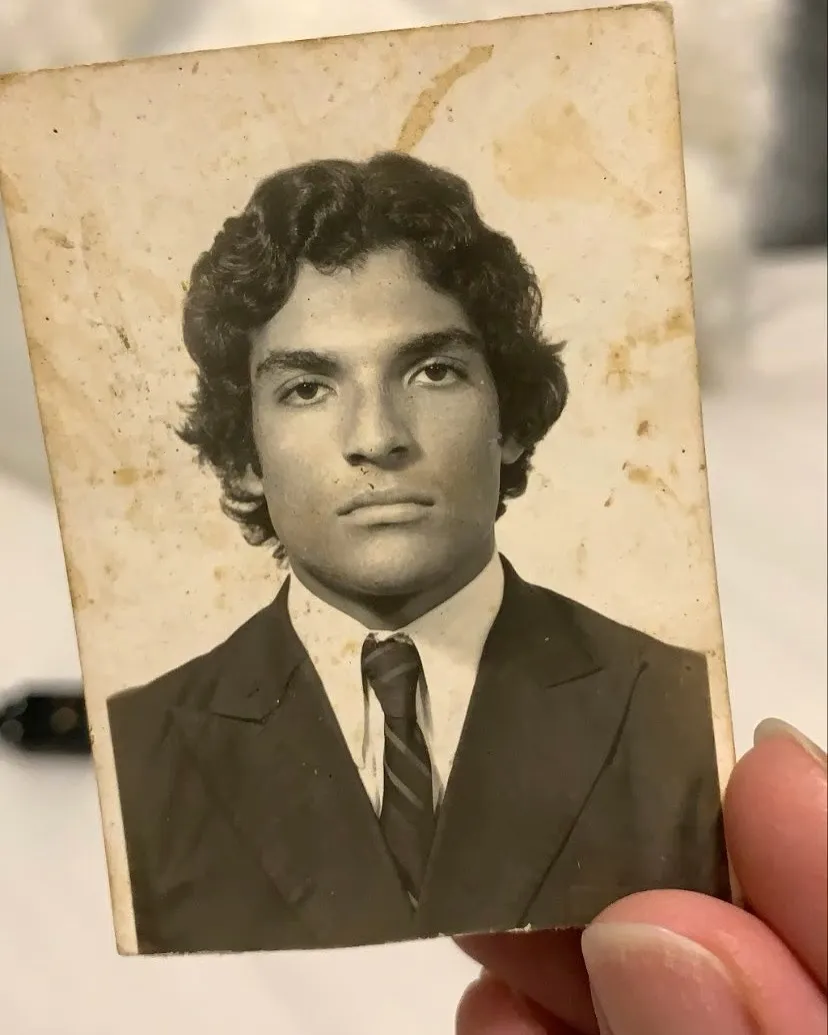
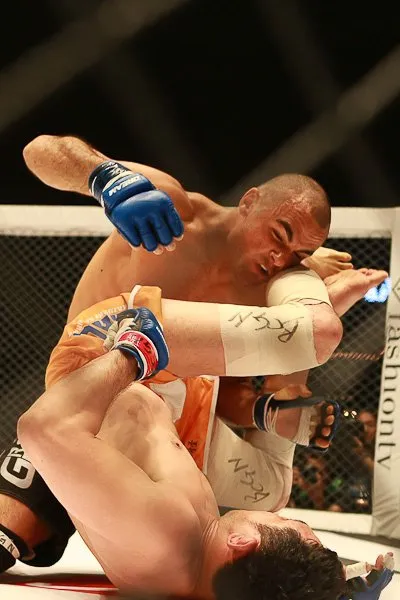
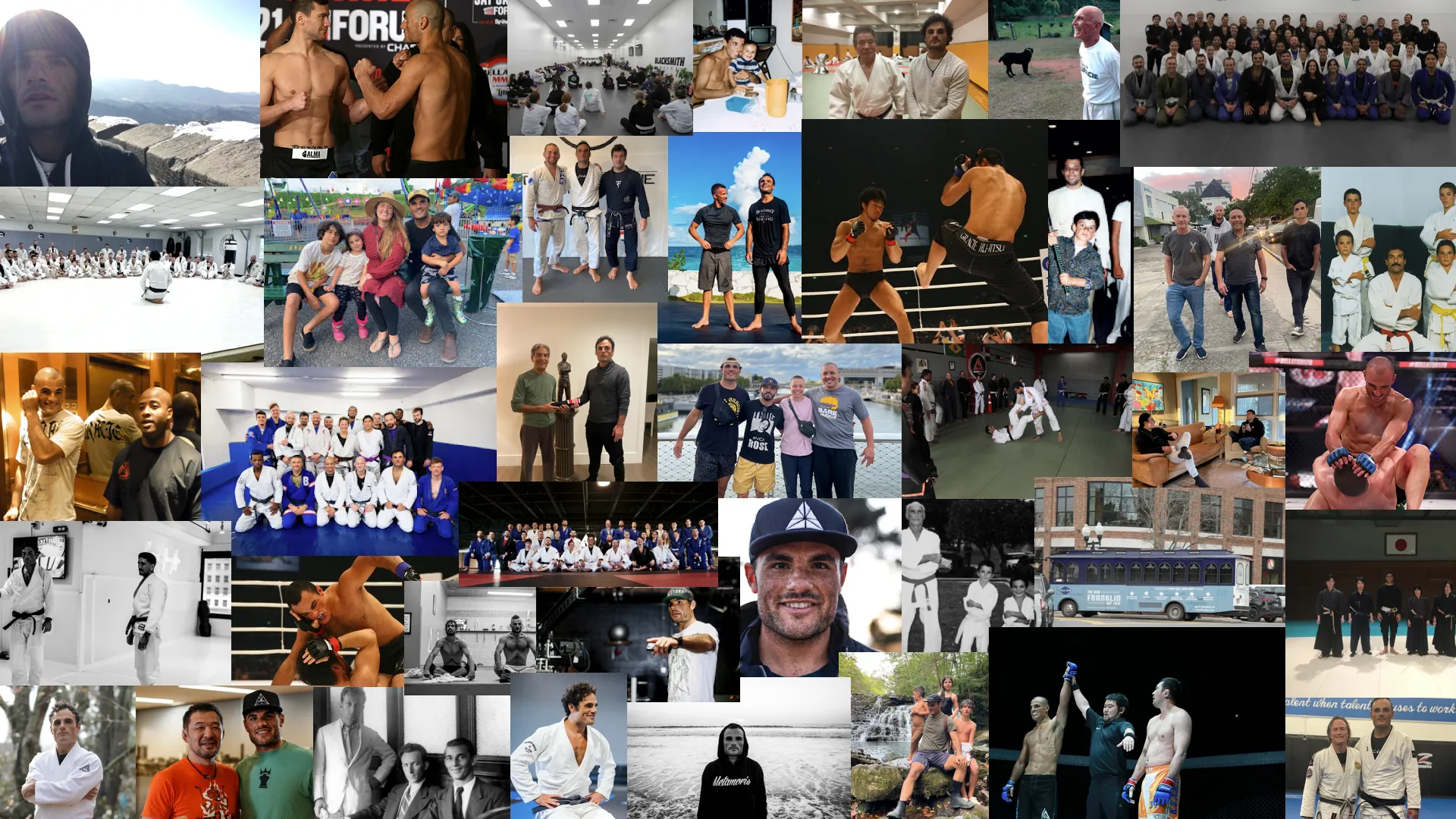
Ralek Gracie received his black belt from his grandfather, Helio Gracie, in 2006. With 26 years of teaching experience and a professional competition background at the international level, he brings a wealth of expertise.
Now based in Middle Tennessee, Ralek continues his family’s mission by preserving and advancing the time-tested principles of the Gracie tradition.
With a unique blend of elite-level training and a commitment to accessible self-defense education, Ralek provides a world-class learning environment. His approach ensures that students can achieve competitive success if they choose while also offering individuals and families a safe and effective way to develop practical self-defense skills—a cornerstone of Gracie Family Jiu-Jitsu.
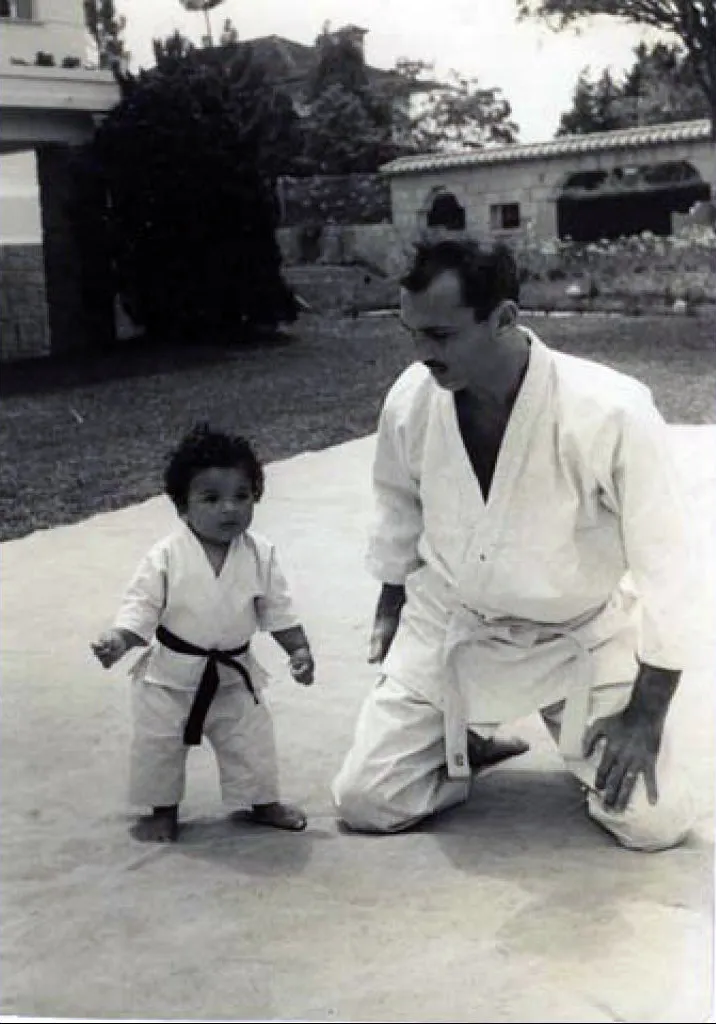
Train at AG1925
Continue the lineage.
Beginners and experienced students alike train directly with Ralek Gracie in Franklin, Tennessee.